Understanding Supplement Labels Like a Smart Shopper
A supplement label packs a lot of information into a small space. Once you know how to read it, comparing products becomes quick, clear and genuinely empowering.
Here is a plain-language tour of every section you will meet on a bottle.
Why Label Literacy Pays Off
Walk down any supplement aisle and you will see bold claims on the front of nearly every bottle. The truly useful details are on the back, where regulated labeling lays everything out in a standard format. Learning to read that format is one of the best shopping skills you can build.
Labels also reward patience. A shopper who spends sixty seconds reading before buying tends to be far happier with the choice than one who grabs whatever has the loudest front panel. The payoff is confidence. When you know what each line means, you can compare two products fairly and spot which one fits the way you like to live.
Start With the Supplement Facts Panel
The Supplement Facts panel is the heart of the label. It is a boxed table, usually in black and white, and it always follows the same layout so shoppers can compare easily. Look for these elements from top to bottom:
- Serving size: the amount that counts as one serving, such as a single capsule.
- Servings per container: how many servings the bottle holds.
- Amount per serving: the quantity of each listed ingredient.
- Percent Daily Value: shown for nutrients that have an established reference.
You can learn more about how these panels are structured from the NIH Office of Dietary Supplements, which publishes accessible background on dietary supplement ingredients.
Serving Size and Servings Per Container
Many shoppers overlook this pair of lines, yet they are the key to comparing real cost. A cheaper bottle with fewer servings can end up costing more per day than a pricier one with a full month inside. Divide the price by servings per container and you have a fair figure for any product. These two lines tell you how long a bottle will last. A label that says one capsule per serving and 30 servings per container means a month of daily use. Other products may require several capsules per serving, which changes both the routine and the cost per day.
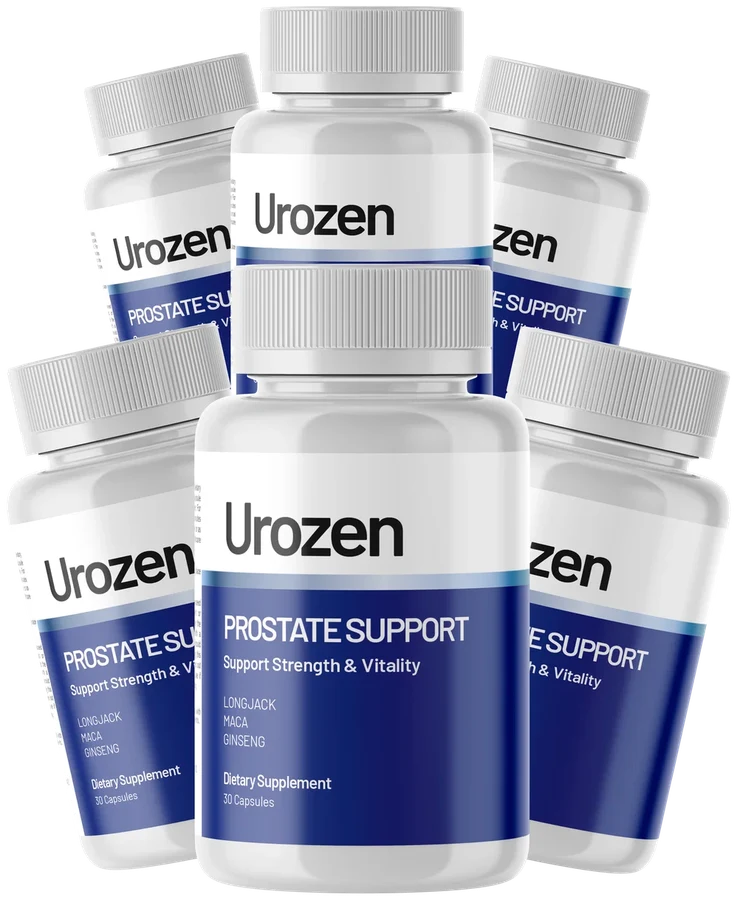
Urozen keeps this simple. Each white bottle with the navy-blue label holds 30 capsules, and the directions call for one capsule daily. That makes it easy to compare cost per day with any other product you are considering.
Reading the Ingredient List
Below the panel you will find the other ingredients and the full ingredient list. Ingredients with a recognized plant source often list the botanical name, such as Tribulus Terrestris or Saw Palmetto. This is a good sign of a label that is clear about what is inside.
When you scan a list, ask yourself: do I recognize the names? Do they line up with the traditional ingredients associated with the benefits advertised? A focused formula with familiar ingredients, like the Zinc, Longjack (Tongkat Ali) and Maca root found in Urozen, is far easier to understand than a long list of unfamiliar terms.
Proprietary Blends and Extracts
Some labels group ingredients into a blend and list one combined amount. Others list each ingredient separately. Both formats are common, so the helpful move is to read the whole panel rather than skimming for a single headline ingredient.
Do not be put off by a blend, though. Plenty of well-made formulas group related ingredients together for the sake of simplicity. What counts is that every ingredient is named so you can recognize it and look it up. Extracts are another term you will meet often. An extract is a concentrated form of a plant, such as Pumpkin Seed extract or Nettle extract. Seeing the word tells you the manufacturer used a prepared form of the plant rather than simply the whole raw material.
Look for the Details That Signal Quality
Beyond the panel, a few extra details tell you about the care behind a product:
- A clear country of manufacture, such as Made in the USA
- Plain directions that match the serving size
- A visible lot number and expiration date
- A satisfaction promise, such as a 60-day money-back guarantee
All of these are easy to spot on a well-presented label, and they add to your confidence at the point of purchase.
Putting It All Together
Before you buy any supplement, run through a simple checklist. Is the serving size reasonable for a daily routine? Does the container hold enough servings for the price? Are the ingredients named clearly, with plant sources spelled out? Does the brand tell you where the product is made and what happens if you are not satisfied? A bottle that answers all four questions plainly deserves a closer look.
Now you can pick up any bottle and read it in under a minute: serving size, servings, ingredient names, extra details. If you want to go deeper on the specific ingredients in Urozen, our ingredients page and the guide to getting the most from Urozen are good next stops.
When you are ready to see a label that is as clear as it is focused, visit the order page and bring Urozen into your daily routine.